





What Is SEO? A Complete Beginner's Guide to Search Engine Optimization
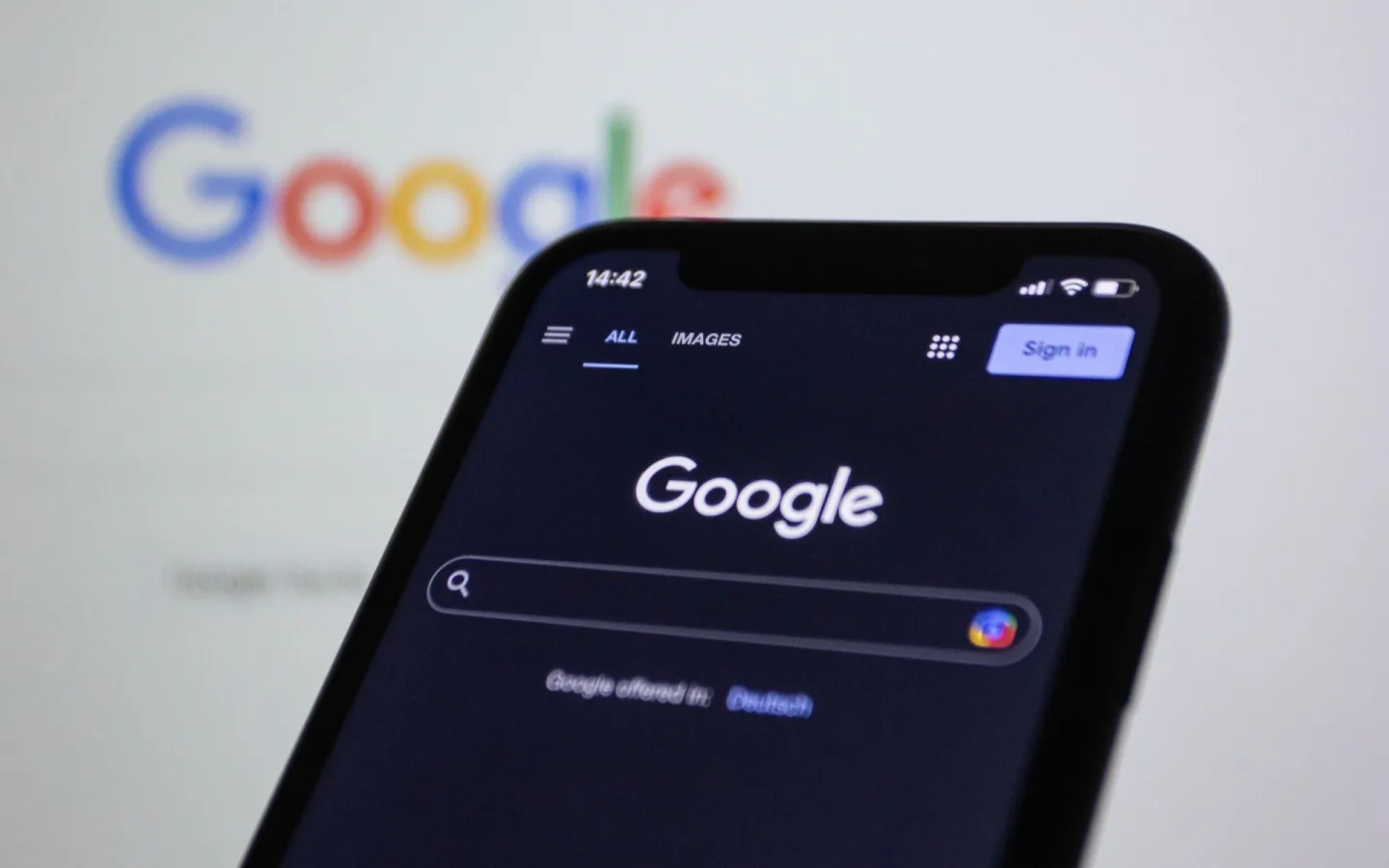
Every day you open Google and type a question or keyword. Within fractions of a second, thousands of results appear in precise order. Have you ever wondered how Google decides which website shows up first?
Every day you open Google and type a question or keyword. Within fractions of a second, thousands of results appear in precise order. Have you ever wondered how Google decides which website appears first — and which ones get buried in the back pages? That simple question leads us to one of the most important concepts in the digital world: search engines and how to optimize for them, commonly known as SEO. In this article, we'll explain in clear, straightforward language what SEO is, how search engines work, and why you need to care about this topic if you have a website or any kind of digital business.
What Exactly Is SEO?
SEO stands for Search Engine Optimization. In simple terms, it is a set of practices and techniques that help your website appear in the top results when someone searches for words or phrases related to what you offer. Think of your website as a physical store. SEO is placing that store on the busiest street in town, with a clear and attractive sign, and arranging your products so visitors can easily find what they're looking for. The difference is that the "busiest street" is Google's first page, the "clear sign" is quality content and the right title, and "arranging your products" means organizing your site technically.
How Do Search Engines Work?
Before we can improve our site, we need to understand how search engines like Google or Bing actually operate.
Crawling
Search engines send automated programs called "spiders" or "crawlers" to roam the internet. These programs move from link to link, visit new pages, and collect information about them. Think of them as explorers drawing a map of the internet — visiting every location and recording what they find.
Indexing
After crawlers visit your site, the search engine analyzes the content and stores it in a massive database. This process is called indexing. Picture a giant library where every web page is a book — the search engine reads each book and categorizes it by subject so it can be found later.
Ranking
When someone types a query into a search engine, the system searches the database for the best matching results. But with millions of pages on the same topic, how does it decide what comes first? This is where ranking algorithms come in. Google uses more than 200 factors to evaluate each page and determine which is the best and most relevant for the searcher. These factors include content quality, site speed, the number of trusted sites linking to you, user experience, keyword relevance, and dozens of other signals. Key point: your goal with SEO is to convince the ranking algorithms that your page deserves the top spot.
Why Does SEO Matter for Your Business?
Let's talk real numbers. More than 90% of online experiences start with a search engine. And more than 75% of users never scroll past the first page of results. In other words, if your site isn't on page one, you're essentially invisible to most searchers.
The Real Benefits of SEO
1. Free, ongoing traffic: Unlike paid ads that stop the moment you stop paying, SEO brings visitors continuously at no extra cost. 2. Higher credibility: People trust organic results more than ads. Appearing on the first page signals that you're a leader in your field. 3. Targeted customers: Visitors coming from search engines are already looking for what you offer. This means higher conversion rates compared to other traffic sources. 4. Long-term return on investment: The work you put into optimizing your site today will keep delivering results for months and years to come.
The Core Elements of SEO
When we talk about SEO, we're talking about three main levels of work.
On-Page SEO
This covers everything you can control within your site's pages. Keywords: choosing and using the words and phrases your audience searches for — naturally and helpfully, not stuffed into every sentence. Titles and descriptions: writing compelling headings (H1, H2) and clear Meta Descriptions for each page — these are the first things a user sees in search results. Content quality: writing useful, thorough content that answers visitors' questions. Google has become very good at distinguishing quality content from shallow filler. Structure and organization: using subheadings, lists, and short paragraphs to improve readability, along with internal links between your pages. Image optimization: using descriptive file names for images and adding alt text that explains what each image shows.
Technical SEO
This part concerns the technical structure of your site and how search engines interact with it. Site speed: slow sites lose visitors and rank lower. Your site should load in under 3 seconds. Mobile compatibility: more than 60% of searches happen on phones. Your site must perform flawlessly on every device. Security: sites using HTTPS get a ranking advantage. Sitemap: creating a Sitemap and a Robots.txt file helps search engines understand your site's structure and index your pages correctly. Error fixing: eliminating broken links, duplicate pages, and other technical problems.
Off-Page SEO
This covers everything that happens outside your site that affects your ranking. Backlinks: when other trusted sites link to yours, Google treats it as a vote of confidence in your content. The more credible the linking sites, the stronger the effect. Social presence: although social signals aren't a direct ranking factor, they help spread your content and attract natural links. Reviews and ratings: especially for local businesses, positive reviews on Google My Business improve visibility in local search results.
Keywords and How to Choose Them
A keyword is the bridge between a searcher's intent and your content. When targeting a phrase like "what is SEO," you should recognize that the searcher is in the "learning stage." If you target "buy SEO services," that person is in the "buying stage."
Keyword Selection Strategy
- Relevance: does the keyword truly reflect what you offer?
- Search Volume: are real people actually searching for this term?
- Difficulty: how strong are the competing sites ranking for this keyword?
Common Mistakes to Avoid
Sixth: Common SEO Mistakes (Avoid These Immediately!)
On your journey to understanding SEO, you may fall into traps that hurt your site instead of helping it:
- Keyword Stuffing: repeating keywords unnaturally makes content unreadable and can trigger Google penalties.
- Buying fake links: Google is smart enough to detect unnatural links, which can get your site removed from the index entirely.
- Ignoring mobile-friendly content: more than 70% of searches happen on mobile devices.
- Copying or stealing content: duplicate content is the "kiss of death" for any SEO strategy.
- Neglecting user experience: a complicated site, poor design, or hard-to-find information causes visitors to leave fast — and Google notices.
How Long Does SEO Take to Show Results?
This is the most common question, and the honest answer is: it depends on many factors. For new sites, expect 6 to 12 months before seeing meaningful improvement. Established sites with existing content and authority may see results faster, within 3 to 6 months. Competitive niches require more time and effort than less competitive ones. The important thing to understand is that SEO is not a one-time event — it's an ongoing process. Google's algorithms change, your competitors evolve, and your audience searches in new ways. Sustained success requires continuous monitoring and updating.
Do You Need an Expert, or Can You Do It Yourself?
You can absolutely learn the basics and apply them yourself. There are thousands of free resources and tools available. But if you're serious about competing and achieving strong results quickly, working with specialized experts saves you significant time and costly mistakes. The best SEO company doesn't hand you off-the-shelf solutions — it studies your specific situation and builds a custom strategy for your business. It has advanced tools, experience handling diverse challenges, and the ability to adapt quickly when things change.
How to Start Your SEO Journey
Start by Analyzing Your Current Site
Use free tools like Google Search Console and Google Analytics to understand where your site stands today. How many visitors do you have? Where do they come from? Which pages get the most traffic?
Define Your Goals Clearly
Do you want to increase sales? Generate inquiries? Build brand awareness? Your goals determine your strategy.
Research the Right Keywords
Discover the words and phrases your audience uses when searching for your products or services. Focus on keywords with reasonable search volume and competition suited to your current level.
Improve Your Existing Content
Review your current pages. Is the content thorough and useful? Are the headings clear? Do pages load quickly?
Start Creating New Content
Plan content that answers your audience's real questions. Write detailed articles, how-to guides, and content that delivers genuine value.
How Subul Helps You Understand and Apply SEO
At Subul, we understand that many business owners find SEO complex and overwhelming. That's why we focus on simplifying things and explaining every step clearly. We start with the fundamentals — analyzing your site, identifying strengths and weaknesses, and building a realistic, understandable action plan. We don't use confusing jargon or make impossible promises; we speak honestly about what can be achieved and how. Our team stays current with the latest Google algorithm updates and applies industry best practices. We pay attention to every detail: from technical speed to content quality, from safe link building to user experience optimization. Most importantly, we treat you as a partner. We explain what we're doing and why, and we deliver clear reports showing the progress made and the steps ahead. What is SEO? Simply put, it is the method that makes your website visible and accessible to millions of searchers every day. It is the difference between a site that consistently brings in customers and one that no one visits. Success in SEO requires a clear understanding of the fundamentals, a commitment to ongoing work, and the patience to see results. Start today. Analyze your site, learn the basics, and begin applying improvements. And if you need professional help to accelerate the journey, Subul is ready to be your partner every step of the way. Your website deserves to be seen — and your customers deserve to find you easily. Request your service today.
Frequently Asked Questions About Search Engines and SEO
Related articles

Your practical guide to ranking first in 2026
Applicable steps to build an SEO strategy that turns organic visits into actual customers — the same methodology we use with clients.

Facebook Marketing: How to Turn Digital Noise into Real, Measurable Results
Facebook (Meta) remains the world's largest social platform. The real challenge today isn't whether to show up — it's knowing how to market on Facebook in a way that converts attention into sustainable revenue.

What Are the Best Digital Marketing Strategies for 2026?
In a world that never stops evolving, digital presence is the real pulse of business. In 2026, the question is no longer whether to market online, but which strategies will keep you ahead.